Friday, December 01, 2006

Two cookbooks for two good causes

MORE FROM ACE BAKERY
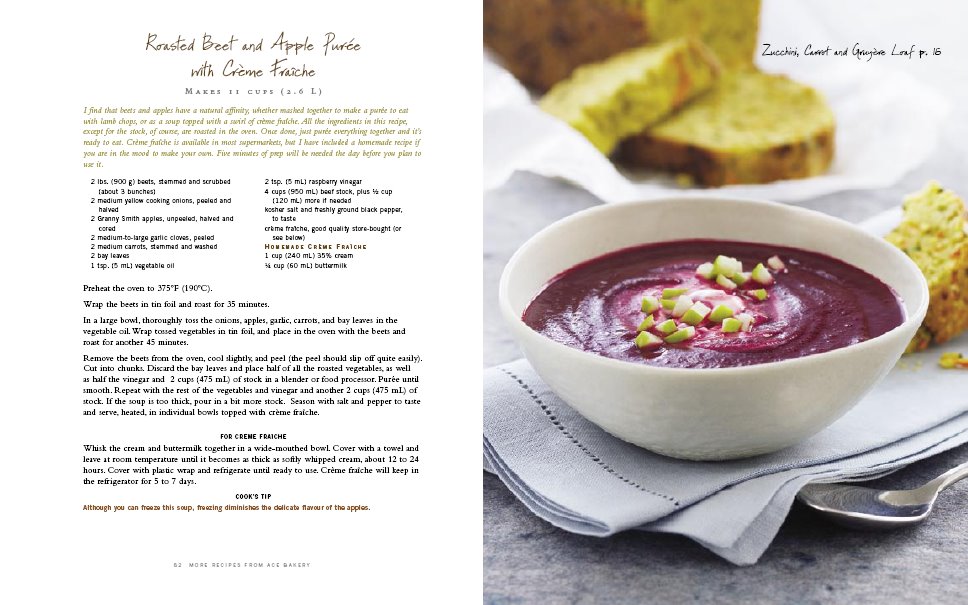
From the aromatic kitchens of ACE Bakery comes the latest collection of mouth-watering recipes for bread and all the delicious things that go with it. More From ACE Bakery is peppered with anecdotal cook’s tips,practical bits of food history and ingredient facts. The book features over 100 sensational recipes from delicious everyday fare to spectacular creations for family dinners and entertaining.

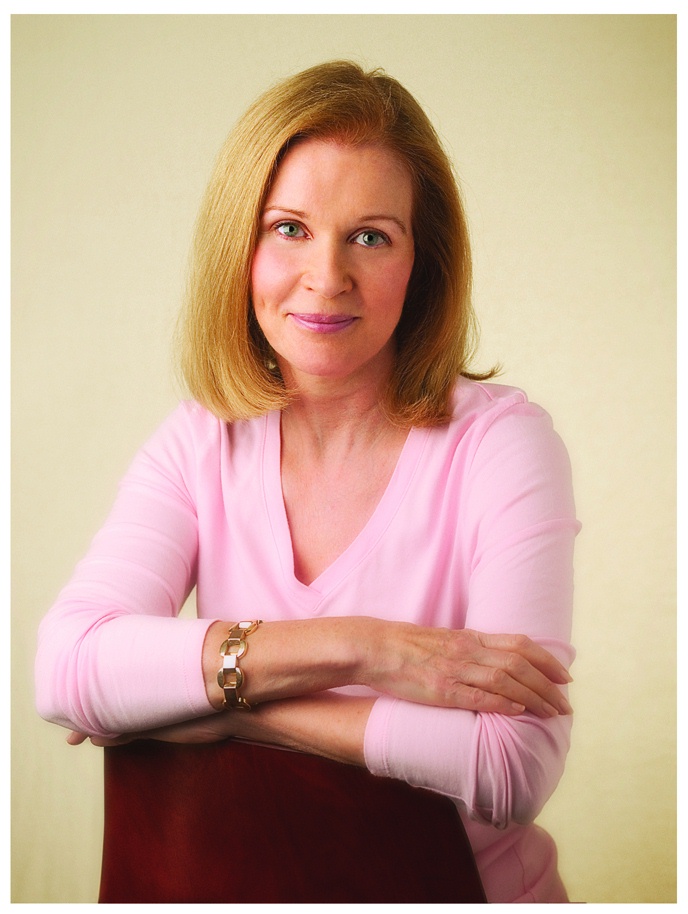
Linda Haynes is the co-founder of ACE Bakery in Toronto, Canada, with her husband Marin Connell. It is one of North America’s leading artisan bakeries, creating hand-made, European style rustic breads. Community involvement is an essential part of ACE’s philosophy. The company donates a percentage of its net profits to charitable organizations, with a focus on food and nutrition programs that assist low-income members of the community, financing culinary scholarships, and supporting organic farming initiatives. All royalties from the sale of More From ACE Bakery are donated to organizations that support women and children in crisis. ACE Bakery breads are available at locations across Canada, the Midwest and East coast of the U.S.A and the Bahamas.

Photo credit: Doug Bradshaw


SECRETOS DE LA COCINA COLOMBIANA
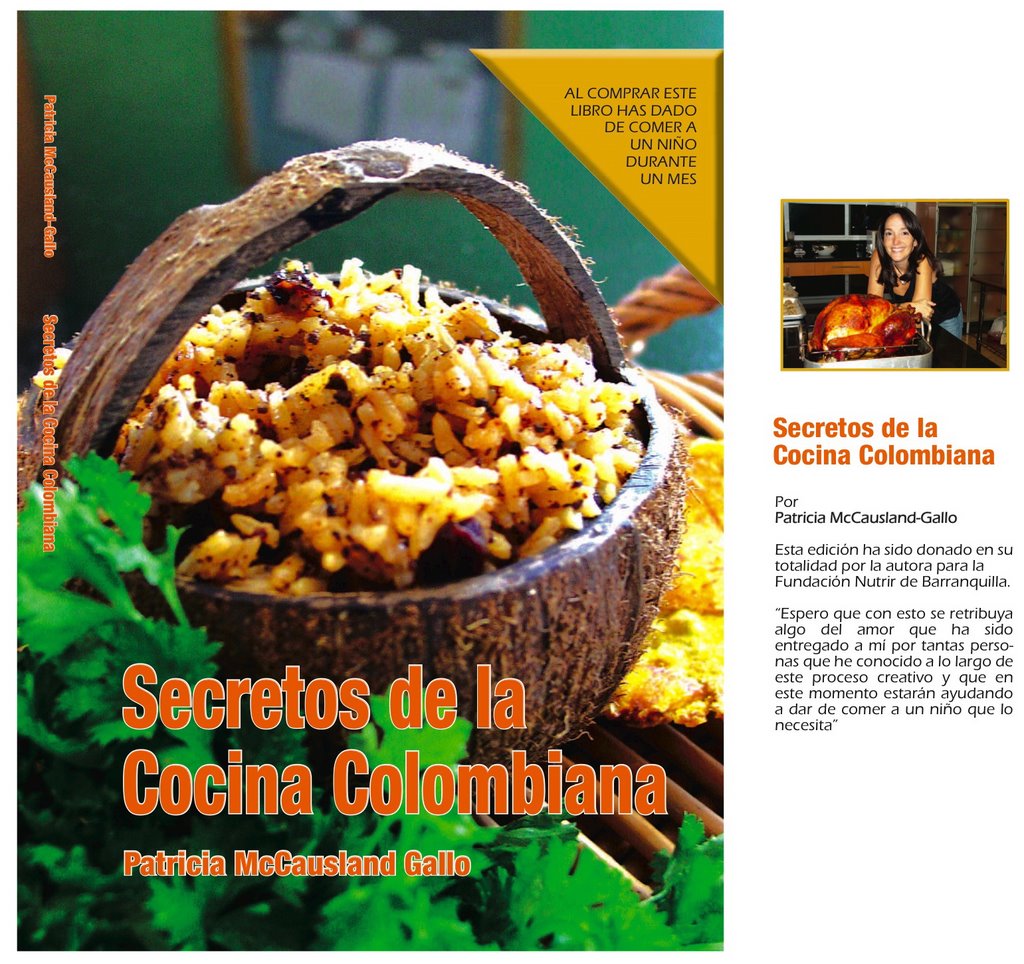
Patricia McCausland-Gallo will release the Spanish version of her book "Secrets of Colombian Cooking" on December 7, in Barranquilla, Colombia. The book will sell for 38,000 Pesos and all the profits will go to "Nutrir" Foundation, a group working to feed the undernourished children of Barranquilla. The book will also be available for sale in Panama. Patricia McCausland is also the author of "Pasión por el Café" which will be released in 2007. She has Bachelor´s Degree in Food Science and Nutrition from the University of Louisiana, is a pastry chef, food writer, and cooking teacher. Pachi lives in Panama with her husband and three daughters. For more information visit Creative Culinary Works.

Patricia and Linda are members of IACP.

Monday, November 27, 2006

IACP Food Photographers & Stylists - 2007 Photo Contest

"BASIC & SIMPLY BEAUTIFUL"

IACP Food Photographers & Stylists invite you to create an artful image of a culinary basic, your interpretation of an essential of cookery, beautiful enough to be fine art. Get those creative juices flowing and start planning now for another exciting photo contest and exhibition. Open to all IACP members.

Go to www.iacp.com for more information. "Hold My Space! Forms" due by Dec.15 are available on the IACP website; complete information and "Entry Forms" will be available on the website after Dec. 1.

Saturday, November 25, 2006

Conferencia Anual del IACP - Chicago, 2007

Conferencia Anual del IACP 2007

Fundamentos Culinarios: Cultivando Nuestras Raices Profesionales

Asociación Internacional de Profesionales de la Culinaria
29va Conferencia Anual Internacional
11 - 14 de abril 2007, Chicago, USA


Con todos los avances tecnológicos del siglo XXI, es más importante que nunca el examinar nuestras raices culinarias. Cómo nuestras raíces influencian nuestros caminos? Qué elementos de nuestras vidas – política y cultura, la economía y el ambiente – han afectado nuestras decisiones en el pasado, y cuáles son las más primordiales ahora? Existen tradiciones que debemos luchar por conservar? Hay algunas que podemos dejar desaparecer?

Acompáñenos en la 29va conferencia anual de la Asociación Internacional de Profesionales de la Culinaria. Este año exploraremos nuestros fundamentos personales y profesionales. Cuestionaremos, discutiremos, pensaremos y aprenderemos en la compañía de algunos de los grandes líderes artesanos y pensantes en el mundo, mientras nos preparamos para darle forma al mundo de la culinaria para las futuras generaciones.

SESIONES PLENARIAS

Jueves 12 de abril
El negocio de los Alimentos – los orgánicos como principal corriente

El consumidor está más consciente que nunca de la importancia de los alimentos orgánicos. Esta industria de 15 billones de dólares representa tasas anuales de crecimiento de doble dígito mientras que cadenas de supermercados importantes como Wal-Mart están atacando este segmento con mucha fuerza. ¿Pero será que los orgánicos van a permanecer como un canal principal de alimentación? ¿Será que los orgánicos podrán mantener su identidad como la elección “alterna” y “saludable” en el medio de un supermercado? ¿Y será que los consumidores continuarán comprando un alimento que en general es más costoso? Estos son los desafíos que las compañias que invierten en este nuevo segmento están enfrentando. El panel de invitados de esta sesión hablará sobre sus experiencias en el mercado y ofrecerá ideas acerca del camino a seguir, mirando los orgánicos como una tendencia del consumidor así como la moda del momento para las grandes firmas.


Samuel Fromartz, moderador, autor de Organics Inc.
Michael Ableman, Centro de Agricultura Urbana en Fairview Gardens, California
Jim Adams, Director de Mercadeo de Chipotle Mexican Grill
Howard Brandeisky, Vicepresidente de iniciativas estratégicas, Kraft Foods de Norte América

Viernes 13 de abril
Gastronomía Molecular

Para Monsieur Hervé This, la Gastronomía Molecular es una ciencia mientras que la Cocina Molecular es un arte. En esta sesión plenaria se revelará esta distinción con tres ejemplos. Mr This demostrará cómo un infinito número de ingredientes pueden ser combinados en mezclas tan revolucionarias como la mayonesa, y cómo una invención llamada “pianocktail” puede automáticamente crear estos productos una vez que la computadora sea programada con una fórmula. Seguidamente, conducirá un análisis del arte culinario, mostrando el infinito número de formas en cómo los alimentos pueden combinarse en el espacio y en particular cómo esto puede llevar a la creación de carnes y vegetales artificiales. Finalmente, Mr This demostrará innovaciones únicas de cómo las técnicas culinarias pueden ser reinventadas. Están aplicaciones científicas serán explicadas por medio de ilustraciones y experimentos realizados frente a la audiencia.


Hervé This, Director Científico de la Fundación para la Ciencia y Cultura de los Alimentos de la Academia de Ciencias de Francia; Director de INRA (Grupo de Gastronomía Molecular), Collège de France, Paris, Francia; Director del UMR 214 Laboratorio de Química Analítica del Instituto Nacional de Agronomía Paris-Grignon.

Sábado 14 de abril
De las Diásporas a la Dieta Moderna: El modo en que los cambios culturales alrededor del mundo han afectado la disponibilidad y uso de ingredientes autóctonos.

La población mundial está en constante cambio, y aunque muchos inmigrantes buscan una mejor vida en otros paises, inevitablemente regresan a sus raices; muchas veces la única manera en que pueden mantener vivo su pasado es a través de la comida. Sin embargo, no siempre ha sido fácil recrear las tradiciones culinarias. Hace diez años, el trabajo de encontrar ingredientes auténticos no valía la pena. Las entregas inmediatas, la agricultura artesanal y la fuerte demanda por una cocina étnica auténtica han aumentado la disponibilidad de ingredientes para cocineros profesionales y aficionados. Esta nueva disponibilidad ha permitido que se mantengan vivas las tradiciones del pasado. Pero estamos verdaderamente honrando el pasado mientras estamos constantemente en búsqueda de todo lo que sea nuevo? Esta sesión tratará el tema de cómo las migraciones han afectado la cocina tradicional. Nuestro panel discutirá los dilemas que enfrentan hoy en día los cocineros profesionales y aficionados, las compañías de alimentos y consumidores.


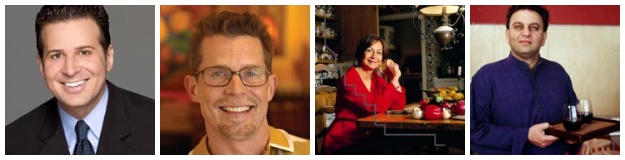
Steve Dolinsky, moderador, Reportero Gastronómico, ABC 7 News, (Chicago)
Rick Bayless, chef/propietario de Frontera Grill y Topolobampo, Chicago
Claudia Roden, escritora gastronómica y autora
Vikram Vij, chef/propietario de Vij´s y Rangoli, Vancouver, BC, Canadá

Spanish translation courtesy of Elena Hernandez & Alida Castro, Panama
Esta página en:
English
Portugues

Wednesday, November 15, 2006

Kids in the Kitchen goes Global

We’re calling for your great photos of kids for a KIDS IN THE KITCHEN photography presentation at the Chicago IACP Conference 2007. Cooking teachers, food photographers, food stylists, parents, chefs, Kids in the Kitchen committee participants—all members are invited to submit photos of children eating around the world for a digital photo essay to be presented during one of the general sessions at the conference (without sound or narration.)

We are looking for photos that portray both sides of the eating equation (healthy vs. junk food, food from the garden vs. food from a package, families eating together vs. kids eating alone). Specifications: Photos can be black/white or color and must be submitted electronically. Horizontal shots at 10 - 11 inches should be at least 72 dpi. Vertical shots at 9 inches should be at least 72 dpi. Jpegs are preferred. We will present these images in a PowerPoint format. Please include COPYRIGHT information for all photos. Credit: All photographers will be recognized on a final credit page of the presentation and in a conference hand-out accompanying the presentation. RELEASE FORMS: If you submit photos of children from a cooking class, make sure you have parental permission (it could be blanket permission). It is the responsibility of the photo submitter to ensure the proper copyrights and permissions to submit photography as their own work. You may submit work that has been previously published with permission from your publisher or rights-owner. SUBMISSION Deadline: February 22, 2007. Send email with photo attachments to iacpkids@comcast.net. Your photo will be receipt-confirmed and logged with your credit info. Selection Process: Photos will be vetted and selected by members of the IACP Kids in the Kitchen committee and members of the IACP Photographers and Food Stylists section. If your photo is selected for presentation, you will be notified by March 30, 2007.

If you have questions, please contact Rebecca Penovich, Kids in the Kitchen committee, rpenovich@comcast.net or (301) 588-3060.

Rebecca Penovich Art of the Table
pr & culinary promotion

Photo by: Jason Rust

Sunday, November 12, 2006

Karen Cathey Elected Chairman of AIWF

IACP member Karen Cathey has been elected Chairman of the American Institute of Wine and Food. Ms. Cathey, who founded the National Capital Area Chapter of The AIWF in 1990, served twice as its chapter chairman and is chairman emerita of the chapter. She also served on the national board of directors for several years as chapter council chairman and vice chairman.

The American Institute of Wine & Food (AIWF) is a non-profit organization that was founded in 1981 by Julia Child, Robert Mondavi, Richard Graff, and Robert Huttenback, to enhance quality of life through education about what we eat and drink. Today, The AIWF has 29 chapters in the United States, with over 5,000 members who are restaurateurs, food industry professionals, food educators, nutritionists, chefs, wine professionals, and dedicated food and wine enthusiasts.

Karen Cathey is president of Bon Vivant, a firm that specializes in food marketing.

Congratulations and Best wishes Karen!

Friday, November 10, 2006

News from the Netherlands

The Dutch IACP members have been working hard! This autumn three of our 14 IACP-members have published books and we are very proud. The books are very, very different and are all focused on the quality of food.

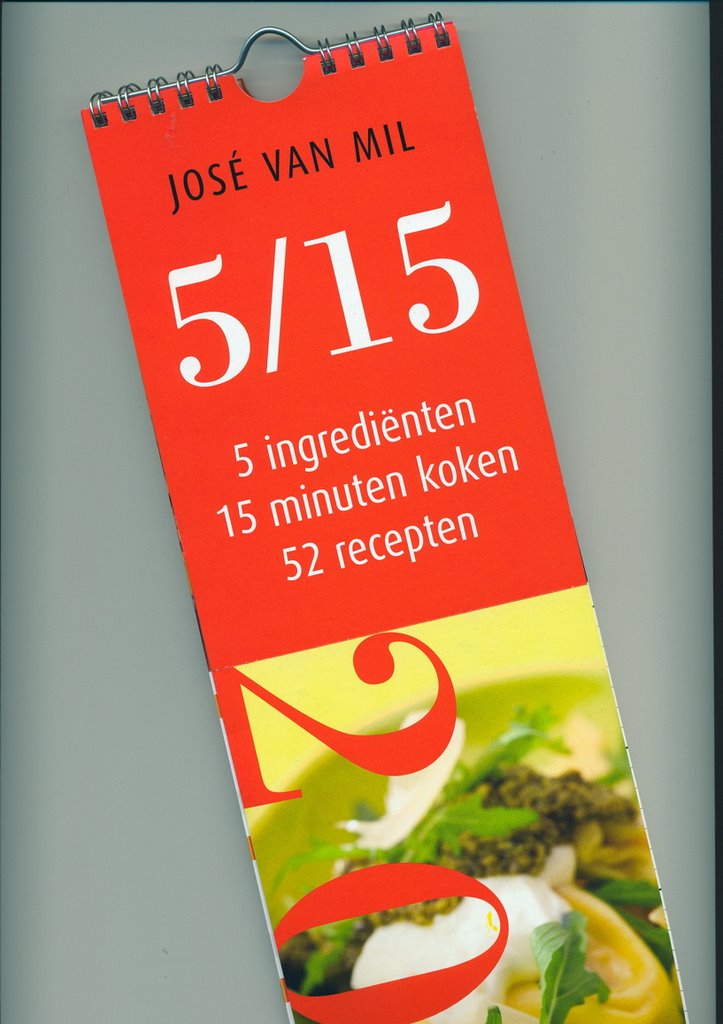
José van Mil, together with her staff, (a.o. Nadia Zerouali another IACP member!) produced a fantastic 2007 calendar. She did an incredible job. The calendar gives a 5 ingredient recipe on a weekly basis that fits with the seasons and a shopping list. Every week you also will find a suggestion for making cooking more fun or easier (knife sharpening, what to do with left over mussels, what to do with capers, etc.). And finally, Jose gives daily cooking advice for a course. This advice just helps you to think about your evening meal or lunch in a different way and inspires you before going to the grocery store. She does write extraordinary detail and if you know her (she has been to the Annual Conference several times), you immediately recognize her style of talking. It is a unique Christmas gift for next year.

Yolanda van der Jagt presented her first book, Lekker Hollands, at the culinary fair Kuntshal Kookt in Rotterdam. Her book is about the beautiful produce of our country. Jamie Oliver, with whom she worked at the River Café in London, tells in his brief preface about her passion for seasonal ingredients. As soon as you have the book in your hands, your mouth starts watering. You want to start shopping in the countryside immediately, calling friends to come over for dinner, or running home to cook. The very accessible recipes are good, they give information and are easy to prepare. Yolanda not only shows the readers her recipes, she also tells you about taste, tasting while cooking, recognizing the produce and enjoying food. Yolanda worked at Chez Panisse in Berkeley and learned a lot from Alice Waters. Jamie Oliver ends his preface in the book with the sentence ‘On top of all this she can also keep up with all the boys when drinking at the pub – nice one!’

The last book, or books are from Onno Kleyn. Kleyn ' s columns and Kleyns Basics. Well, I don’t need to translate these titles. Onno writes a column in the leading Dutch morning paper, De Volkskrant. And finally a selection is made of these ‘reading-recipes’. Het writes about produce, his travels abroad, his kitchen experiences and so on with a dry sense of humor. Every column ends with a simple, tasteful recipe. So we all can throw away our clippings and enjoy the book.

The other book about his basic theories is about cooking eggs, making mashed potatoes, salt, herbs, preparing mussels and so on, is a real book of reference to have at hand in your kitchen.

So now you understand why we are proud of these IACP members. And although I can imagine you don’t read Dutch, you have to believe me that in this small country (1/3 of Kentucky!), we continue to make sure our produce will grow beautifully and taste fantastic.

Nelleke van Lindonk
Netherlands

Wednesday, November 01, 2006

Peruvian food, the hottest trend


Ceviche, tiraditos, anticuchos, causa, cau cau, arroz chaufa, seco de chivo...are just some of the popular dishes of Peru. Lima has been recently named the gastronomical capital of Latin America and this has been accomplished thanks in great part to the government´s support in promoting Peruvian food outside of the country´s frontiers. Local chefs headed by the ultra popular Gaston Acurio and owner together with wife-partner Astrid have managed to create a "food empire" in and outside of Peru. Their upscale restaurant Astrid & Gaston opened 12 years ago in Lima and now has branches in Santiago de Chile, Quito, Bogotá, Caracas, and before the end of this year will open in Panama. Chefs Mario Navarrete of Raza in Montreal and Emanuel Piqueras of Mixtura in Seattle have been recognized for their excellence and their restaurants featured in newspapers and magazines in North America.

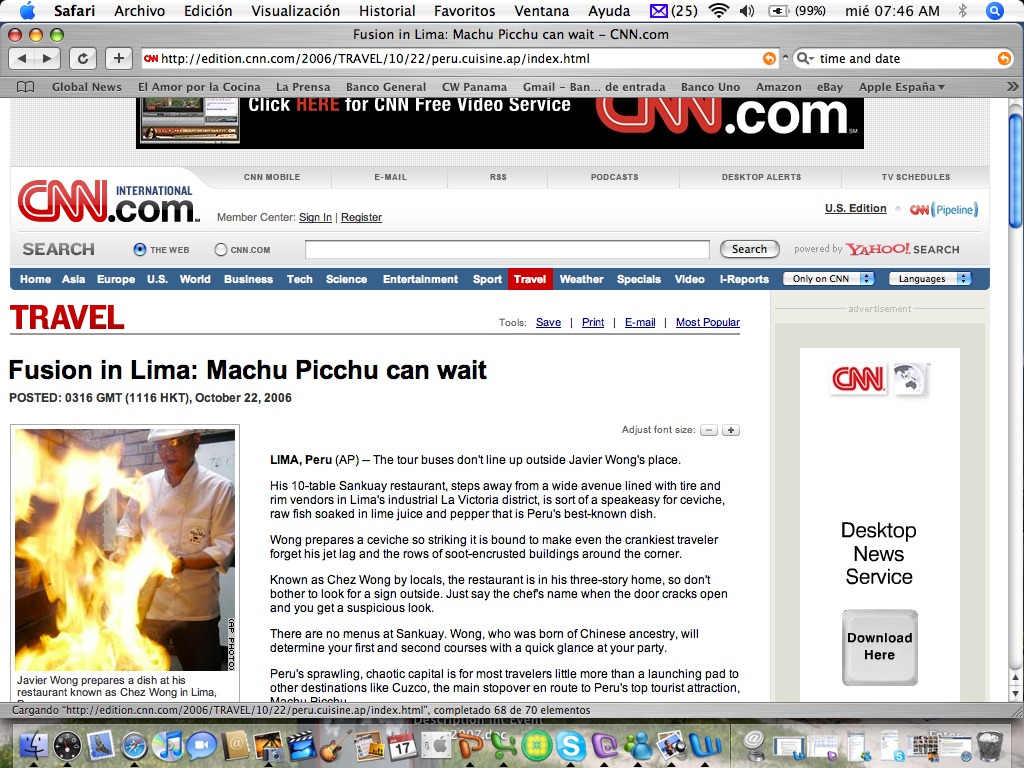
The Associated Press has written a very interesting article about Peruvian food that you can read here.

To read my coverage (in Spanish) of the Salon Internacional de la Gastronomia that took place last weekend in Caracas, Venezuela and featuring special guest chefs from Peru, including Gaston Acurio, click here and here.

Here´s another great interview in English.

Elena Hernandez
International Chair, IACP

Tuesday, October 31, 2006

Help!! Research on Semitas

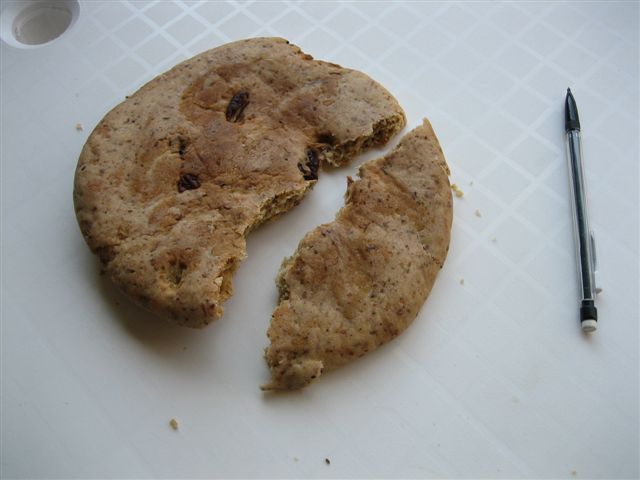
For the last year or so, I have been trying to track down the story of the Mexican bread known as semitas (or cemitas). My interest was sparked because it is widely asserted that on US-Mexico border semitas means semitic bread. There, it is said, its origin can be traced to the crypto-Jews who settled in the area in the seventeenth century fleeing the Spanish authorities.

The trail has led me to dictionaries, books, friends who are expert in the foods of North Africa, investigations in Mexican markets and on the web. I have reluctantly come to the conclusion that romantic as it is, the derivation of semitas from Semites (Jews) is false. Instead it seems more probable that it derives ultimately from the Greek word for seed (which also gave rise to the Spanish semilla or seed) and from there it passed to North Africa, Spain, and eventually the Americas.

Semitas, it seems, are the contemporary reminders of the fact that breads once sharply mapped on to social class. The rich ate fine white bread, the lower down the social scale you went the more of the seed was included until you reached semitas which were a coarse whole wheat roll.

Today, semitas are found all over Mexico and in many parts of Latin America. They are small, usually only slightly raised, may contain sugar, anise and nuts, or may have gone up the social scale to form the delicious white rolls (cemitas) of Puebla in Mexico.

If fellow IACP members have any information about semitas, I would really appreciate receiving it.

Rachel Laudan
visit Rachel´s website at www.rachellaudan.com or email her.


Guanajuato and Mexico City, Mexico

Tuesday, October 24, 2006

Adam Seger

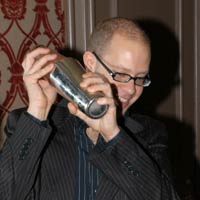
We are proud to announce that our fellow IACP colleague from Chicago, Adam Seger, CCP, has been honored as a finalist in an international mixology competition. Adam will also be our host at our International event during Chicago's IACP 2007 Annual Conference on Thursday, April 12.

Please take a moment and visit www.bols200.com. We are delighted that our colleague has been named one of the 'Top 20 Bartenders in the World' by Bols, The Amsterdam based spirits company founded in 1575 that has premium brands in 110 countries.

Please go to www.bols200.com. He is #2 on the list and you can rate your top 3 picks. The 10 mixologists from the top 20 list with the most on-line votes by November 15th will be flown to Amsterdam in December to compete for the 'Bols 200 Best Bartender in the World' to celebrate the 200th Anniversary of the Cocktail.

Thank you in advance for your vote of confidence. Being the only mixologist from Chicago and one of 8 out of the top 20 from the US, this opportunity would also give the new Illinois USBG Chapter as well as Chicago's growing mixology scene the international exposure it deserves.

Adam Seger, CCP

General Manager, Nacional 27: Chicago's 3 Star Modern Latin Restaurant, Ceviche Bar and Salsa Club

Ambassador, Illinois Chapter, United States Bartenders Guild: Official US Affiliate of the International Bartenders Association

'Starchefs.com Rising Star Bar Chef' Chicago 2006

'Chicago's King of Cocktails' New City Magazine

To read more about Adam Seger, visit Star Chefs

To listen to a podcast interview to Adam Seger conducted by Ken Rubin of Chefs.com, click here.

Monday, October 16, 2006

What to Drink with what you Eat


We´re very happy to be one of today´s hosts to the Virtual Book Tour of "What to drink with what you eat", IACP member Andrew Dornenburg and Karen Page´s recently published book. What an original idea to be touring the internet and being featured in some of the top food and drink blogs/sites around!

After the success of Culinary Artistry, who is on my (and MANY cooks´) list of favorite books because of the flavor matching reference guide, Andrew and Karen have done the same in "What to drink with what you eat" by teaching us how to pair food with the perfect drink.

Here is what is being said about "What to drink with what you eat":

"The most comprehensive guide to matching food and drink ever compiled is offered by the James Beard Award-winning author team of Dornenburg and Page, with practical advice from the best wine stewards and chefs in America."

— Forbes.com Book Club

"Any good cook knows that the choice of wine (or beer!) can make or break the meal. Nothing could be more disappointing to a cook than having your efforts fall flat because of a misstep when it comes to pairing drink with food. In compiling the wisdom of wine and beverage experts, Karen and Andrew have done an amazing service for all lovers of good food."

— José Andrés, chef-restaurateur and winner of the 2003 James Beard Best Chef: Mid-Atlantic Award

"This book teaches you the principles of understanding how to find the perfect match for any meal. Whether you're drinking Champagne or beer, sake or port, this book makes finding the perfect match easy and fun."

— Roger Dagorn, master sommelier, and David Waltuck, chef-owner of Chanterelle (NYC), winner of the 1996 James Beard Outstanding Wine Service Award and the 2004 Outstanding Restaurant Award

"Andrew and Karen have created the most exciting and comprehensive guide to wine pairing that I have ever seen....You will be using it constantly to fulfill your own curiosity and to throw the best parties."

— Eric Ripert, chef-owner of Le Bernardin (NYC) and winner of the 2003 James Beard Outstanding Chef Award

"Dornenburg and Page, authors of BECOMING A CHEF and CULINARY ARTISTRY, demystify the challenge of food and beverage pairing in this exhaustive, accessible resource. Believing that the best matches create peak experiences, the authors consult with the world's most discriminating palates, who see food and drink as inseparable. With stories from such noted chefs as Daniel Boulud, Traci Des Jardins and Patrick O'Connell and a host of top sommeliers, this comprehensive collection provides a wealth of guidelines for pairings, not only by specific food, but by food type, time of day, characteristics, season and personal mood. From fast food to ethnic cuisine, they include unlikely entries such as Kentucky Fried Chicken (Pinot Noir, Gewürztraminer), oxtails (Barolo), moussaka (Retsina, Rioja), potato chips (beer, champagne) and saag paneer (Pinot Gris). While focusing primarily on wine, the authors include matches for a variety of other beverages, including tea, water, coffee, beer and spirits, and offer the pairings in reverse — what to serve if you've already selected your beverage. This encyclopedic collection is highly recommended for those who give serious thought to the flavor of each dish."

— Publishers Weekly

For all of us folks living outside of the USA, get your copy of this book through Amazon.com. We have already ordered ours!

Elena Hernández
International Chair

Wednesday, October 11, 2006

Toys for the Adventurous Cook

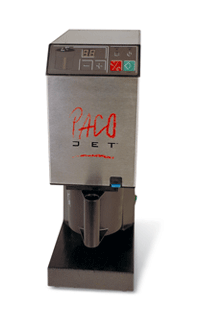
Not only have Spanish chefs revolutionized the food world with new cooking techiniques during the past few years, they have also ventured into inventing equipments for the kitchen. Here are a few examples, created by Paco Roncero, Javier Andrés, Sergio Torres and Joan Roca.


Pacojet gives chefs the chance to create an infinite number of ice creams and sorbets, both sweet and savoury. It is a food processor unique in its category which emulsions the food, i.e., it turns frozen foods into purée or cream with no need to defrost them. The results are outstanding: in a few seconds Pacojet produces a cream for spreading, a filling, a concentrate of soups or greens, a fruit ice cream or sorbet which conserves its natural aroma.
Pacojet can process food in quantities up to ten portions, and its containers are ideal for keeping the creams it produces in the freezer.


This thermostat can create a bain marie with a constant, identical temperature in the whole container. It can also control low temperature cooking, between 5° and 100° C. Because of its characteristics, the Roner is particularly useful for cooking products which have previously been vacuum packed —meat, fish, poultry, vegetables, terrines, patés, jams, preserves—, for pasteurising food prepared with traditional techniques and for thermal regeneration of vacuum packed finished preparations.


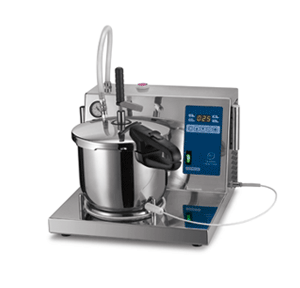
The Gastrovac is a compact appliance for cooking and impregnating in a vacuum. It is patented in over 160 countries and developed with the Universidad Politécnica de Valencia and the cooks Javier Andrés (La Sucursal Restaurant, Valencia) and Sergio Torres (El Rodat Restaurant, Jávea). It functions as follows: by creating an artificial low pressure, oxygen-free atmosphere, the Gastrovac considerably reduces cooking and frying temperatures, maintaining the texture, colour and nutrients of the food.
Moreover, the Gastrovac creates the “sponge effect”: when the atmospheric pressure is restored, the food absorbs the liquid around it, allowing infinite combinations of foods and flavours.


For more cooking tools, visit International Cooking Concepts.

Sunday, October 08, 2006

Tendencias Gastronomicas 2006


El 10 y 11 de octubre se llevará a cabo el evento entitulado "Tendencias Gastronómicas 2006" en Buenos Aires, Argentina. Contará con la participación de Sergio y Javier Torres de España creadores de Gastrovac, un aparato para empacar al vacío, Sumito Estevez de Venezuela, Christophe Carpentier y Daniel Greve de Chile y varios Chefs de Argentina. Algo que suena como muy interesante es que ofrecerán dos Videoconferencias desde España con Andoni Luis Aduriz del Mugaritz y Sole Graell quien presentará la nueva línea de productos de los hermanos Fernan y Albert Adriá. Para mayor información visite la página del evento en www.tendenciasg.com.

Tuesday, October 03, 2006

October events in Mexico

The 21st edition of Abastur, the largest restaurant/hotel show in the country, will take place from October 4 - 6 in Mexico City. At the same time the Gran Concurso Culinario Latinoamericano Azteca "Copa Azteca" will be held. The winner will go on to represent Mexico at the next competition to determine the Latin American entry at the Bocuse d’ Or 2007. This program is coordinated by the Vatel Club of Mexico. Go to www.abastur.com for more information.

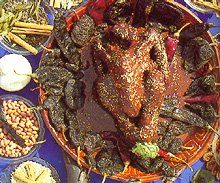
The most exciting of all the gastronomic Ferias of Mexico City begins this week in the Milpa Alta delegación. The Feria Nacional del Mole starts Oct 1 and ends on Oct. 22. and centers on the town of San Pedro Actopan. This rural area winds its way south from Xochimilco and attracts about 400 thousand visitors in this month only. At the fair you can sample from an infinite variety of regional style moles (green,red,black,etc) but the specialty of San Pedro Actopan is the Almendrado or almond seasoned mole which boasts 26 ingredients. Among these are the chiles: Ancho, Pasilla, Mulato, and Moro which must be toasted and then ground separately. With as many varieties as nuts and spices the Actopan mole is characterized by a sweet and picante flavor, “que sabroso”. But a fair with just mole? Of course not -- you can buy mole to prepare yourself or sample at any of the 30 odd restaurant stands that line one area of the grounds as well as sample cheese, tamales, and an infinite number of beverages. Add to this the cultural activities, displays and entertainment and you could well spend the month!

From Oct. 3 - 12, historian Edmundo Escamilla and chef Yuri de Gotari will offer a cooking demonstration showing the culture, history and legends of the states of Tlaxcala, Campeche, Sonora, and Oaxaca. The venue will be in historic Coyoacan at the house of moviemaker and actor Emilio (El Indio) Fernandez known as the Casa Fuerte. The partners Escamilla and Gotari are renowned for combining diverse elements in order to better understand Mexican Cuisine. For further information on this and future courses go to La Bombilla. Tel. (52-55) 5211-3818.

Reported by:
Ruth Alegría
Mexico City

Top Shelf

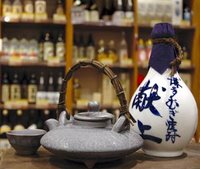
Once a rough country spirit, shochu is now the most sought-after drink in Japan by Yukari Pratt.

A women`s book series known as The Sweet Potato Queens may be all the rage in the US, but here in Japan men and women are falling over themselves for the liquid version: sweet-potato shochu (imo jochu). What was once considered the poor man`s drink is now the hottest alcoholic beverage in the country, overtaking sales of nihonshu (sake). So if you haven`t given this traditional Japanese spirit a shot, now may be the time.
For one thing, shochu is locally produced, meaning you won`t pay the mark-ups of the importer, the distributor and finally the retail shop or restaurant. Being a distilled beverage, it can sit in your house and the flavor won`t change. And as with all food-related trends in Japan, shochu is good for you.
But what is really fueling the shochu boom? In short, Japanese believe it is less likely to cause a hangover. And that it can help shed pounds, a hypothesis I am still testing, with little success. Shochu is in fact low in calories, (35 calories per 2-ounce shot) and it encourages production of enzymes that break down blood clots (a preventative measure for heart attacks and strokes). One book encourages drinking shochu on Sunday evenings, claiming it will help you relax before starting a busy workweek. Oh, and my favorite reason: If you spill it, it won`t stain the tatami.
Shochu is produced throughout Japan, although much of it comes from Kyushu. Its alcohol content typically ranges from about 25 percent up to 45 percent, which is far higher than the averages for both wine (12-13 percent) and nihonshu (15-16 percent). If and when your tolerance is high enough, exploring the varied flavors becomes the fun part. Shochu is made with everything from the common sweet potato, rice and black sugar to the bizarre, such as konbu (a type of seaweed), milk, sesame seeds and green peppers. Sweet potato has a very heady bouquet. Rice can be simple and clean. Black sugar has a sweet amami to it, while awamori is a shochu from Okinawa made with Thai rice and a bit more aromatic than the typical rice shochu.
The authority on shochu, naturally, is Sho-Chu Authority, which has six stores, including one in Shiodome and another in Tokyo station near the Yaesu North Exit. Service is better at the Tokyo station branch, but for selection and variety, Shiodome may be the world`s best. You can also pick up pre-mixed chuhai drinks at your local conbini or supermarket, in the same section as the beer.
What should you eat with shochu? Much like food and wine pairing, if you like the shochu, it will go with almost anything you are having. The rice and barley varieties tend to be a bit more food-friendly than the aromatic sweet potato but all shochu lacks the acidity that both wine and nihonshu bring to the table.
Another benefit of drinking shochu is that it can be consumed in so many ways: straight, on the rocks, mixed with hot water or as a cocktail. The common chuhai in a can is shochu blended with a variety of mixers such as grapefruit juice or ume (plum). But plain shochu on the rocks is the best way to get a sense of aroma and taste.
When you`re ready to get on the shochu bandwagon, head straight to your local shochu bar and try a variety of flavors. Or if you want to get started at home, invite your friends and host a tasting party with any range of flavors or producers. As I wait for the Sweet Potato Queens to make their Japan debut, I for one will be bonding with the other sweet potato in my life, imo jochu.

Sho-Chu Authority
B2F Caretta Shiodome, 1-8-2 Higashi-Shinbashi, Minato-ku. Tel: 03-5537-2105. Open daily 11am-9pm. Nearest stn: Shiodome.
1F Tokyo Station, 1-9-1 Marunouchi, Chiyoda-ku. Tel: 03-5208-5157. Open daily 10pm-9pm. Nearest stn: Tokyo.

Shochu legend

黒糖 kokuto (black sugar)
芋 imo (sweet potato)
米 kome (rice)
眉 mugi (barley)
泡盛 awamori (Okinawan shochu)
度 do (percentage of alcohol)

Photo credit: Tama Miyake Lung